Children and Neurosurgery: Common Pediatric Neurological Conditions Explained
- Home
- Children and Neurosurgery: Common Pediatric Neurological Conditions Explained
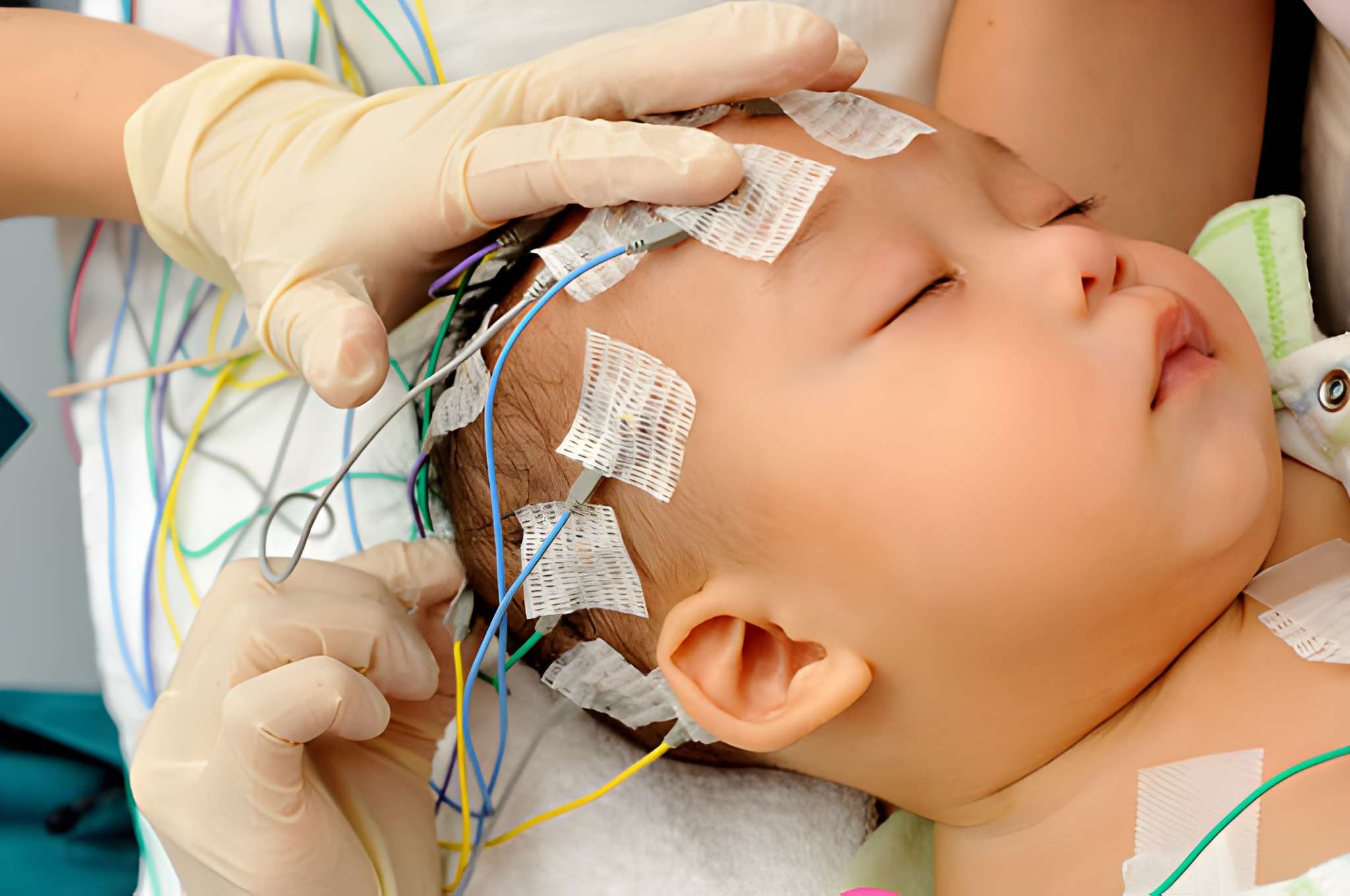
Children and Neurosurgery: Common Pediatric Neurological Conditions Explained
Neurological conditions in children require specialized and compassionate care. Pediatric neurosurgery focuses on diagnosing and treating disorders of the brain, spine, spinal cord, and nervous system in infants, children, and adolescents.
Why Pediatric Neurosurgery Is Different
Children’s brains and nervous systems are still developing. Pediatric neurosurgeons use child-friendly, minimally invasive techniques that ensure safety, faster recovery, and better long-term outcomes.
Common Pediatric Neurological Conditions
1. Hydrocephalus
Hydrocephalus is caused by excess cerebrospinal fluid buildup in the brain, leading to increased pressure. Treatment includes shunt surgery or endoscopic third ventriculostomy (ETV).
2. Spina Bifida and Neural Tube Defects
Congenital spinal conditions where the spine does not develop properly, leading to weakness and bladder or bowel problems. Early neurosurgical correction improves mobility.
3. Pediatric Brain Tumors
Brain tumors in children are treatable when detected early. Advanced microsurgery and imaging help preserve brain function.
Hope Through Early Diagnosis and Expert Care
With advancements in pediatric neurosurgery and imaging, many neurological conditions in children are highly treatable. Early consultation ensures the best chance for a healthy future.